
In the 21st century, the issue of global climate change has become increasingly severe, making environmental protection a global consensus. As one of the world's leading economies, the European Union is actively promoting a green transition, striving to reduce carbon emissions and enhance material recycling. Policies such as the Circular Economy Action Plan and the European Green Deal have driven automakers to reduce their carbon footprint and increase material recycling rates. Against this backdrop, the tire industry is also undergoing a transformation toward sustainability and high-end innovation.
The automotive industry is a key pillar of the European economy, providing approximately 13 million jobs and accounting for 7% of the EU's GDP. With continuously rising global production standards, tire manufacturers are ramping up research and development efforts to meet green development requirements. Among them, Italy’s Vittoria and France’s Michelin have become industry leaders in sustainable tire innovation, attracting widespread attention.
Vittoria: Circular Economy and Carbon-Neutral Tires
Italy’s Vittoria is a globally renowned manufacturer of bicycle tires, producing approximately 7 million road and mountain bike tires annually. Committed to sustainable innovation, the company reduces its carbon footprint through recycled materials and advanced technology.
Vittoria’s Terreno Pro T60 Mixed tire is made from 92% renewable and recycled materials, including discarded ocean fishing nets and rice husks. These materials are not only environmentally friendly but also ensure high performance. Additionally, the tire incorporates graphene technology, enhancing grip, puncture resistance, and durability, making it suitable for road, mountain, and e-bikes.
To further promote green manufacturing, Vittoria has invested in Thailand's first carbon-neutral tire factory, which operates on solar energy and bio-based materials, fully embracing the circular economy concept. This initiative not only enhances Vittoria’s sustainable development capabilities but also sets a benchmark for the global tire industry’s green transition.
Michelin: Bio-Based Synthetic Rubber and Sustainable Material Innovation
As a global leader in the tire industry, France’s Michelin is also at the forefront of green innovation. The company is advancing the industrial production of bio-based butadiene, having launched a demonstration plant in France in partnership with other organizations. This process replaces fossil fuels with bioethanol to extract butadiene, a key raw material for synthetic rubber. Michelin aims to produce 100% renewable or recycled material tires by 2050.
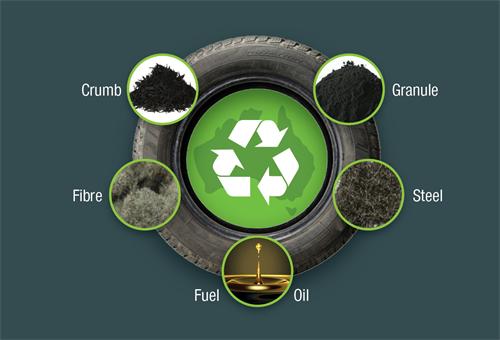
Recently, Michelin unveiled its latest innovation—the Primacy 5 tire. This tire not only achieves a breakthrough in performance but also makes significant strides in sustainability. Primacy 5 is designed for gasoline, fully electric, and hybrid vehicles, offering a 5% improvement in energy efficiency. Moreover, 63% of its materials come from sustainable sources, including recycled carbon black, scrap steel, and orange peel extracts. This reflects Michelin’s "All Sustainable" strategy, which focuses on reducing environmental impact through cutting-edge material innovations.
As global environmental regulations become increasingly stringent, the tire industry is undergoing a profound transformation. From Vittoria’s carbon-neutral tire factory to Michelin’s bio-based synthetic rubber technology, leading companies are driving sustainable development through technological innovation. These efforts not only help reduce carbon emissions but also improve tire durability and safety, contributing to a greener future for transportation.
Looking ahead, as the circular economy continues to gain traction and more companies join the wave of green innovation, the tire industry is set to evolve into a more environmentally friendly and efficient sector. This transformation aligns with the EU’s green development goals and provides strong support for the sustainable future of the global automotive industry.
Recommend:

New Trends in Car Buying: How Young Consumers Are Reshaping the Smart Vehicle Market

BYD’s 2025 Strategy: Intelligent Driving and Global Market Expansion

Nissan Merger Plan Falls Through, Tesla Acquisition Rumors Resurface

From Transportation to Intelligence: The Rise of the "Thinking Third Space" in Cars
